
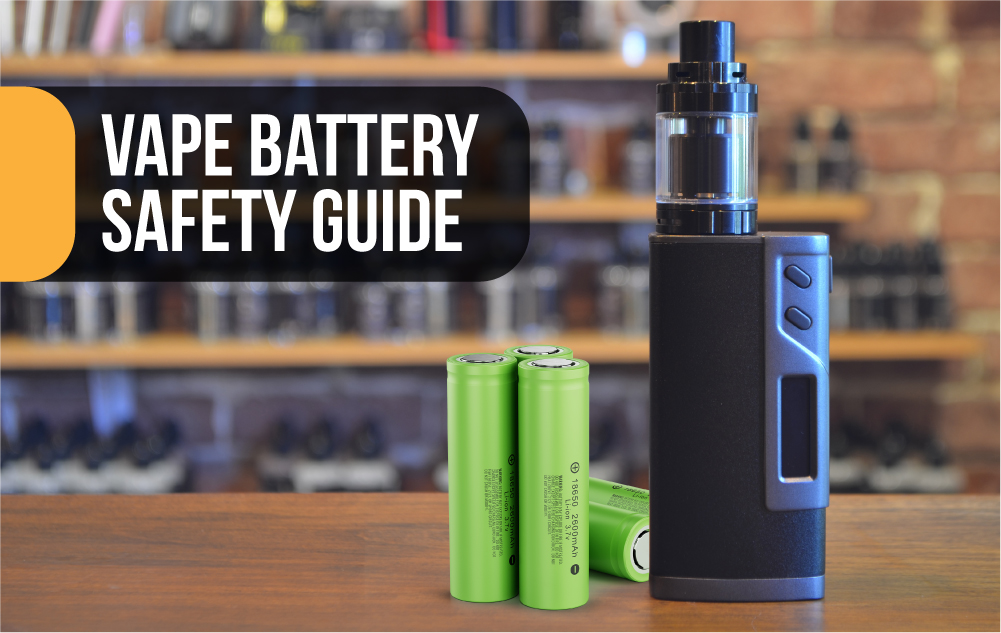
A torn wrap. A loose coin in a coat pocket. A cheap charger plugged in overnight. None of these looks dangerous on their own, but each one is a common cause of vape battery fires reported by UK fire services every year.
Most vape battery incidents trace back to a small handful of causes, and nearly all of them are preventable. This post covers the hidden dangers behind vape battery incidents and the steps that keep your device, your bag, your home, and yourself safe.
How Do Vape Batteries Catch Fire or Explode?
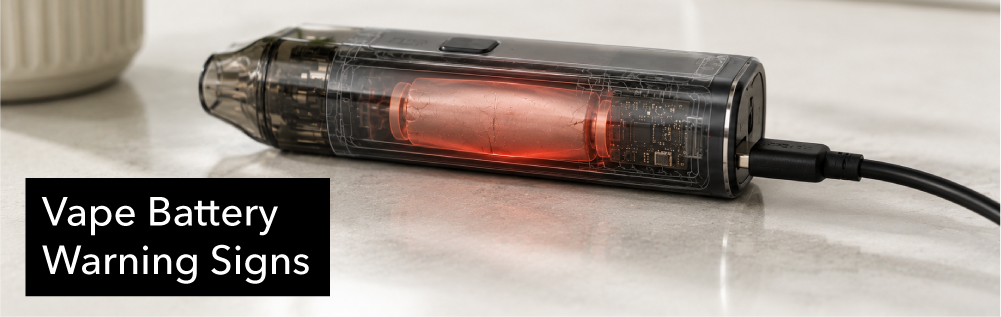
Vape batteries can fail, overheat, and catch fire when the internal cell is damaged, short-circuited, or charged incorrectly. A torn wrap, loose metal contact, or the wrong charger can trigger this. Storing batteries in cases, using the correct charger, and inspecting them regularly significantly lowers the risk.
London Fire Brigade data shows that fires involving lithium-ion batteries were London's fastest-growing fire risk in 2025, with 521 incidents recorded and 94 of those linked to lithium batteries outside e-bikes and electric vehicles, a category that includes vapes. Most of these incidents share a small set of avoidable causes.
The Hidden Dangers Behind Vape Battery Failures
A vape battery doesn't fail without a reason. Something has to damage the cell, bridge a connection it shouldn't, or push more current through it than it was built for.
Here's how that usually happens in everyday use:
Torn Wraps Expose Live Metal
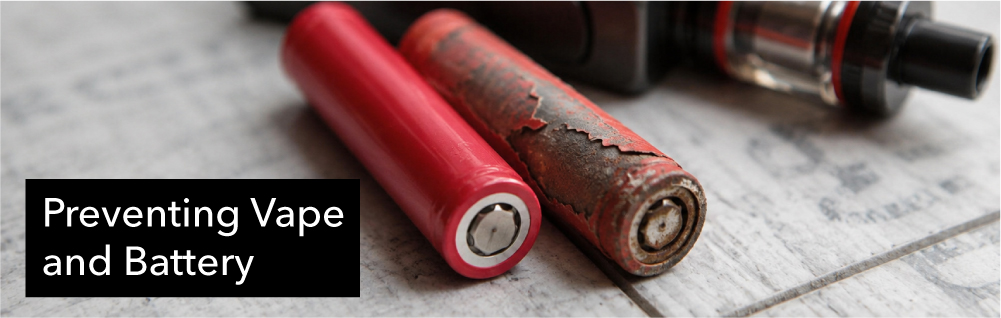
Every 18650 battery and built-in pouch cell is covered in a thin plastic wrap. That wrap insulates the metal casing underneath.
Once it splits, tears, or peels at the edges, bare metal can touch another surface and short circuit in an instant. A scuffed battery in a drawer or bag looks harmless, but a nick in the wrap is often the first stage of failure.
Loose Storage Creates Sparks
Vapers who carry spare 18650 batteries loose in a pocket or bag are storing a live power source next to keys, coins, and other metal objects. When the positive and negative terminals touch a conductive surface at the same time, the battery can short-circuit and heat up within seconds.
This is one of the most common causes of a vape battery getting hot without warning, and it has nothing to do with the battery's age or quality.
The Wrong Charger Overloads the Cell
Vape batteries and their built-in charging circuits are designed for a specific voltage and current. A high-output wall adapter meant for a laptop or a fast-charging phone can push far more power into the cell than it's rated for.
Over time, this overloads the internal chemistry and degrades the cells that regulate heat and voltage. A battery that's been fast-charged repeatedly can fail even when it looks physically fine.
Fake Cells Skip the Safety Chip
A genuine 18650 vape battery from an established brand includes protection circuitry that cuts power if the cell overheats or is overcharged. Counterfeit and unbranded cells often skip this chip entirely to cut costs.
These fake batteries can fail under conditions a genuine cell would handle without issue. Buying batteries from a specialist retailer rather than an unverified online seller is the simplest way to avoid ending up with one.
How to Prevent Vape Battery Incidents
Most vape battery incidents share the same root causes, which means most of them are preventable with a few habits built into your routine.
Here's what actually reduces the risk:
Check Your Wraps Daily
Look at your battery's wrap before you use it, especially if it's a removable 18650, not a built-in cell. Replace any battery with a torn, peeling, or dented wrap immediately; don't tape over the damage.
Store Batteries in a Case
Keep spare batteries in a hard plastic case, not loose in a pocket, bag, or drawer full of metal objects. A case keeps the terminals separated from anything that could bridge them. Our range of vape accessories includes cases built for exactly this purpose.
Charge Safely, Every Time
Use the cable that came with your device and plug it into a low-power USB port, such as one on a laptop or computer, or a basic wall block rated at 1A or below. Avoid fast phone chargers and high-wattage wall adapters, since these push far more current than a vape battery is built to take. Fast charging is convenient, but it's one of the quickest ways to shorten a battery's safe lifespan.
Never Leave a Battery Charging Unattended
Unplug your device as soon as it reaches full charge instead of leaving it connected overnight or while you're out. Overcharging keeps unnecessary voltage flowing into a cell that no longer needs it, and that's when heat builds fastest.
Recycle Damaged or Old Batteries
Dented, swollen, or water-damaged batteries should never go back into a device, no matter how well they seem to be working. Take them to a battery recycling point rather than a general waste bin, since damaged lithium cells can ignite in transit if crushed.
How to Know If Your Vape Is Going to Explode
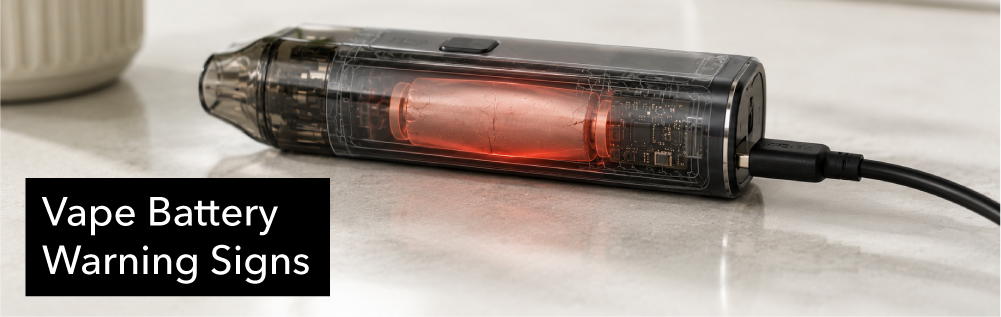
A vape battery rarely fails without warning. Watch for these signs before things get worse:
-
Swelling or bulging: A cell that's grown in shape has already suffered internal damage.
-
Excess heat during use or charging: A device that gets uncomfortably hot, not just warm, is under stress.
-
A hissing or crackling sound: This can signal gas building inside a damaged cell.
-
A chemical or metallic smell: This often points to a battery already venting internally.
-
Reduced battery life: A cell that drains faster than it used to may be degrading. Our guide on how to know when your vape battery is getting weaker breaks down what's normal wear and what isn't.
If you spot any of these signs, stop using the battery and replace it. A vape exploding is rare, but nearly every documented case involved ignoring at least one of these warnings.
A Few Seconds of Checking Does a Lot
Battery safety isn't complicated once the habits are in place, and a few seconds of checking your wrap or unplugging a charger on time makes a real difference. If your current device is showing its age, or you fancy an upgrade with better built-in battery protection, browse our full range of vape kits or read our guide on picking your first vape for advice on what suits you.
Frequently Asked Questions
Can vape batteries explode?
Vape batteries can explode if the internal cell is damaged, short-circuited, or charged with the wrong equipment. This is uncommon among genuine, well-maintained batteries but becomes far more likely with counterfeit cells or damaged wraps.
What is an 18650 battery?
An 18650 battery is a removable, rechargeable lithium-ion cell measuring 18mm by 65mm, commonly used in higher-powered vape mods that take one or more external batteries rather than a built-in cell.
Is it normal for a vape battery to feel warm?
A small amount of warmth during use or charging is normal. If a battery gets hot to the touch, swells, or smells off, stop using it, remove it, and replace it.