

Big clouds are the first thing most people mention when sub-ohm vaping comes up, and fair enough, since that thick vapour is what got beginners and long-time vapers alike hooked on the style. But clouds are the outcome, not the explanation, and chasing them without knowing what's happening inside the device is how coils get burnt out in a week, and new vapers get put off their first sub-ohm vape for good.
What Is Sub-Ohm Vaping?
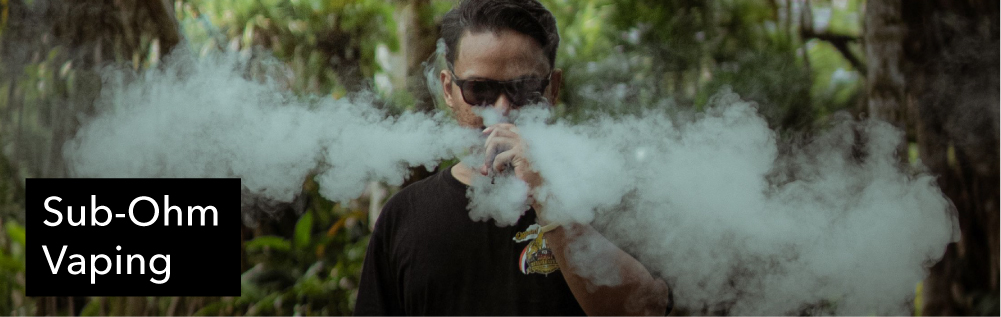
Sub-ohm vaping is a vaping style, and the appeal comes down to the inhaling method and output. Where a mouth-to-lung setup mimics the tighter draw of a cigarette, sub-ohm vaping opens up the airflow and delivers a loose, lung-filling pull that carries far more vapour and flavour with it.
Vapers who choose it want that bigger cloud and that fuller flavour from every puff, so they inhale it direct-to-lung (DTL) instead of holding the vapour in the mouth first like MTL vaping.
How Does It Work?
So what is sub-ohm, in practical terms? Sub-ohm vaping uses an atomiser coil with resistance under 1.0 ohm, which draws more battery power so it heats quicker and reaches a higher temperature than a standard MTL coil running off the same battery. And that extra heat is what turns e-liquid into vapour.
Most coils built for this type of vaping run in sub-ohms somewhere between 0.6 ohm and 0.15 ohm, and the lower that number goes, the more wattage the coil needs to perform without wearing out fast. This is why sub-ohm devices ship with adjustable wattage dials instead of a fixed setting, and it's also why they carry bigger batteries than the average pod kit, since higher wattage draws power at a faster rate.
This heat and vapour output only works with a wide, open draw, so sub-ohm devices are built for direct-to-lung inhaling, pulling vapour straight into the lungs in one motion like a deep breath. Trying to inhale MTL-style on a sub-ohm device pulls too much hot vapour too fast, and that's what causes a coughing fit instead of a smooth hit.
Best E-Liquids for Sub-Ohm Devices
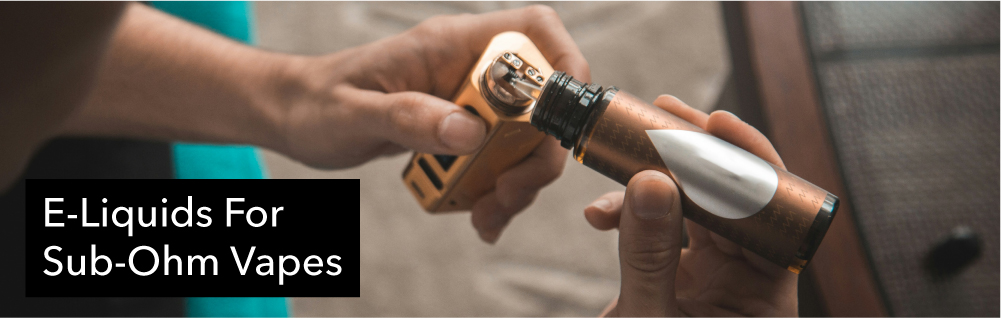
Not every e-liquid is built to survive a sub-ohm coil, so getting the ratio and nicotine strength right matters. Here's what to look for on the bottle:
VG Ratio of 70/30 or Higher
High VG e-liquid wick thick and slow, so the cotton stays saturated even under the higher heat a sub-ohm coil generates. That thickness is exactly what a sub-ohm coil needs to keep producing dense vapour puff after puff, whereas anything below 70% VG runs the risk of dry, burnt hits since the wick can't stay fed fast enough.
Lower Nicotine Strength
High-strength nicotine hits far harsher at sub-ohm wattages than it does through an MTL coil, since bigger clouds mean more nicotine reaching your system per puff. That's why most sub-ohm vapers sit somewhere in the 0mg to 6mg range, with plenty choosing 3mg as the sweet spot between feeling the hit and keeping it smooth.
Shortfills for Big-Tank Refills
If you're getting through e-liquid fast, which is normal at sub-ohm wattages, a shortfill e-liquid solves the maths of it. Most come as 50ml or 100ml bottles filled to leave room for one or two 10ml nicotine shots, so you get a full-strength bottle at 0mg base cost and mix it to whatever strength you actually want.
When you do mix your own, use a freebase nicotine shot rather than a nic salt one. Nic salt shots are formulated to sit smoothly at higher strengths through a tighter MTL coil, but that same smoothness turns flat and less satisfying at sub-ohm wattages, where freebase nicotine delivers the throat hit these coils are built to carry.
What Are the Pros and Cons of Sub-Ohm Vaping?
Every part of a sub-ohm setup carries a benefit and a cost alongside it, so weighing up the table below against your own habits is worth doing before you commit to a kit:
|
Pros |
Cons |
|
|
Is Sub-Ohm Vaping Right for You?
Sub-ohm vaping fits some vaping habits far better than others, and it comes down to personal factors. The checklist below makes that quicker to spot.
It’s a good fit if:
-
You enjoy cloud chasing
-
You want maximum flavour from every puff
-
You already vape at 0mg to 6mg nicotine
It’s probably not, if:
-
You've just quit smoking and still want a strong throat hit
-
You want something pocket-sized and discreet for everyday use
-
You prefer nicotine salts at higher strengths
How to Get Started with Sub-Ohm Vaping?
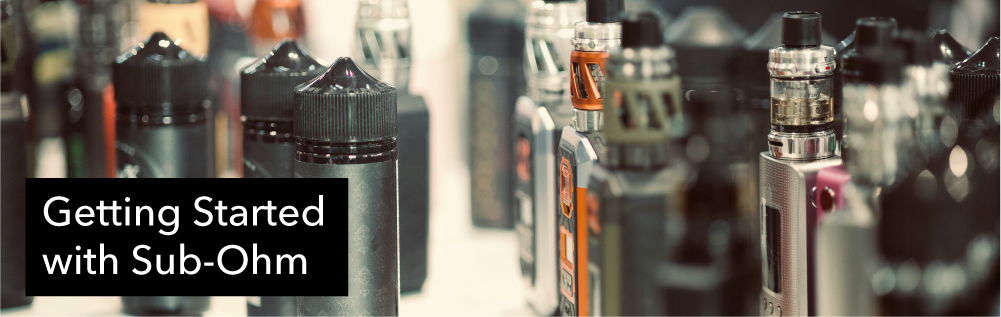
Moving into sub-ohm vaping involves more than picking a device off the shelf, since the coil, the e-liquid, the nicotine strength and even the wattage setting all need to line up with each other. Get that order right, and the switch feels smooth, so here's how to work through it:
Pick a Sub-Ohm Vape Built for the Job
A dedicated sub-ohm device gives you adjustable wattage and airflow that a pod kit simply isn't built to offer. Stretching a pod kit past its limits to chase sub-ohm output usually ends in a worse experience than starting with the right kit.
Check the Coil's Rated Wattage Range
This range is printed on the coil or the box, and it tells you exactly how much power the coil can handle before it wears out. Staying within it stops the wick from drying out mid-puff and keeps the flavour consistent from one session to the next.
Start Low and Work Up
Set your wattage near the bottom of the coil's range for the first few puffs, rather than jumping straight to the top of what it can take. Increase it gradually from there until the flavour and vapour feel right for you.
Switch to a High-VG E-Liquid
Anything at 70% VG or above wicks properly through a sub-ohm coil, keeping the cotton fed even as the coil runs hot. Grab a bottle before your first fill, since a standard 50/50 liquid won't keep up once the wattage climbs.
Drop Your Nicotine Strength
If you're coming from a stronger MTL juice, cut it down first before you switch over. Sub-ohm wattages hit far harder per puff, so the same strength that felt fine on an MTL coil can feel overwhelming here.
Prime the Coil Before Use
A few drops of e-liquid directly onto the coil, followed by a short wait before your first vape, saturates the wick properly. Skip this step, and the first pull often carries a harsh, burnt taste that puts people off the coil too soon.
Your Next Step Into Sub-Ohm Vaping
Sub-ohm vaping rewards a bit of trial and error with wattage, coil choice and e-liquid, and most vapers land on their preferred setup within a few tanks. If you're ready to try it, browse our sub-ohm kits and pick a device built for the wattage you want to run.