
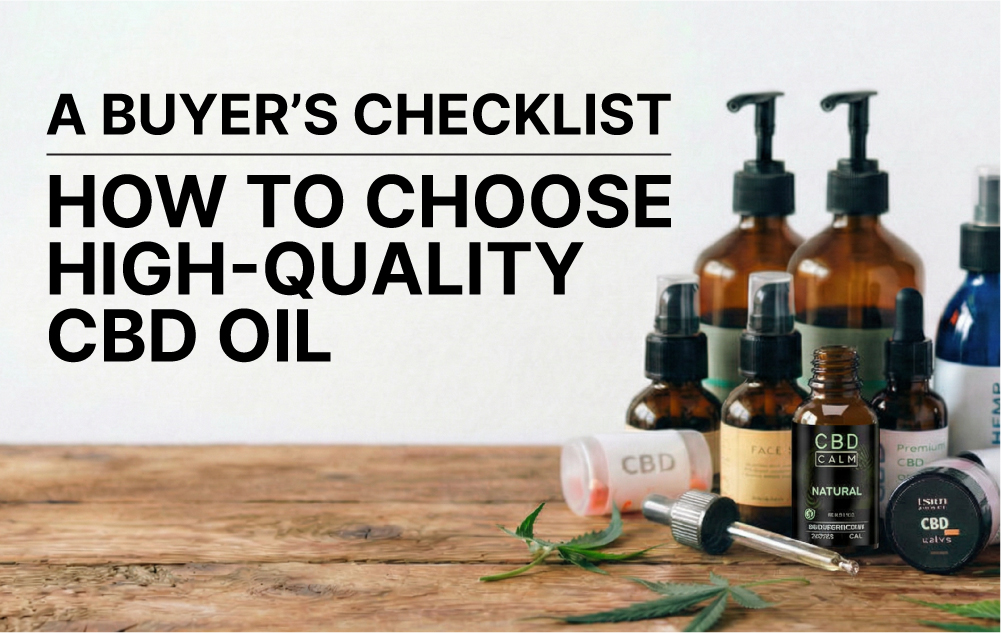
The CBD market in the UK has experienced remarkable growth over the past few years, with countless products now available both online and in high street shops. However, this abundance of choice brings its own challenges. Not all CBD oils are created equal, and navigating the marketplace to find a high-quality product can feel overwhelming, particularly for first-time buyers.
Whether you're exploring CBD oil for general wellness or seeking relief from specific concerns, understanding what distinguishes premium products from inferior ones is essential. This comprehensive buyer's checklist will help you make informed decisions and ensure you're investing in CBD oil that's safe, effective, and worth your money.

Understanding CBD Oil Basics
Before diving into quality indicators, it's important to understand what CBD oil actually is. Cannabidiol (CBD) is one of over 100 cannabinoids found in the cannabis plant. Unlike THC (tetrahydrocannabinol), CBD is non-psychoactive, meaning it won't get you "high." In the UK, CBD products must contain less than 0.2% THC to be legal, though many reputable brands aim for non-detectable levels or use broad-spectrum formulations that remove THC entirely whilst retaining other beneficial cannabinoids.
CBD oil is typically made by extracting CBD from hemp plants and diluting it with a carrier oil such as hemp seed oil, MCT oil, or olive oil. The extraction method, hemp source, and additional ingredients all play crucial roles in determining the final product's quality and efficacy.
Your CBD Oil Buyer's Checklist
1. Check for Third-Party Laboratory Testing
This is arguably the most critical factor when assessing CBD oil quality. Reputable manufacturers commission independent, third-party laboratories to test their products for potency, purity, and safety. These certificates of analysis (COAs) should be readily available, either on the product packaging, the company's website, or upon request.
A comprehensive COA will verify several key aspects of the product. Firstly, it confirms the actual CBD content matches what's stated on the label. Surprisingly, studies have found that many CBD products contain significantly less CBD than advertised—or sometimes none at all. The COA should also confirm THC levels remain within legal limits and screen for contaminants including heavy metals, pesticides, residual solvents from extraction, and microbial impurities like moulds and bacteria.
When reviewing a COA, look for testing conducted by ISO-accredited laboratories. The certificate should include batch numbers that correspond to your product, ensuring the test results are specific to what you're purchasing. Be wary of companies that cannot or will not provide this documentation—transparency in testing is non-negotiable for quality CBD products.
At Vapoholic, we provide downloadable laboratory certificates directly on our CBD Calm product pages, demonstrating our commitment to transparency and quality assurance. This allows you to verify the exact CBD content and purity of every batch before making your purchase.
2. Examine the Hemp Source
The quality of CBD oil begins with the quality of the hemp from which it's extracted. Hemp is a bioaccumulator, meaning it readily absorbs substances from the soil in which it grows, including beneficial nutrients but also potentially harmful heavy metals and pesticides. This makes the growing conditions absolutely critical.
Look for CBD oils derived from organically grown hemp. Whilst organic certification can be expensive for smaller producers, many reputable brands will clearly state their farming practices and commitment to pesticide-free cultivation. Hemp grown in the EU, UK, or US typically adheres to stricter agricultural standards compared to some other regions, though excellent hemp is cultivated worldwide under proper conditions.
The part of the plant used also matters. High-quality CBD is typically extracted from the flowers and leaves of mature hemp plants, where cannabinoid concentrations are highest. Some lower-quality products use hemp seed oil, which contains little to no CBD, or extract from stalks and stems where cannabinoid content is minimal.
3. Understand the Extraction Method
The method used to extract CBD from hemp significantly impacts the final product's quality, purity, and potency. The two primary extraction methods you'll encounter are CO₂ extraction and ethanol extraction.
Supercritical CO₂ extraction is widely regarded as the gold standard. This method uses carbon dioxide under high pressure and low temperature to isolate and preserve CBD and other beneficial compounds. It produces exceptionally pure oil without residual solvents and allows for precise control over which cannabinoids and terpenes are retained. Whilst the equipment required makes this method more expensive, the superior quality justifies the investment.
Ethanol extraction is another acceptable method when done properly. Food-grade ethanol can effectively extract cannabinoids and is generally recognised as safe. However, it's crucial that all solvent residues are completely removed during processing, which third-party testing should verify.
Avoid products extracted using potentially harmful solvents like butane or propane unless rigorous testing confirms complete removal. Also be cautious of oils extracted using olive oil or other carrier oils at home—whilst safe, these methods typically produce less concentrated and less shelf-stable products.

4. Consider Full-Spectrum vs. Broad-Spectrum vs. Isolate
CBD oils come in three primary formulations, each offering distinct advantages depending on your preferences and needs.
Full-spectrum CBD oil contains all the naturally occurring compounds found in the hemp plant, including trace amounts of THC (below 0.2% in the UK), other cannabinoids like CBG and CBN, terpenes, and flavonoids. Many people prefer full-spectrum products because of the "entourage effect"—the theory that these compounds work synergistically to enhance CBD's benefits. However, those subject to workplace drug testing may wish to avoid even trace THC amounts.
Broad-spectrum CBD offers a middle ground. It contains multiple cannabinoids and terpenes but with all THC removed. This provides some entourage effect benefits whilst eliminating any THC-related concerns, making it popular amongst those who want comprehensive cannabinoid support without any THC exposure. We also offer CBD and CBG combination oils, which pair CBD with CBG (cannabigerol, known as the "Mother of all cannabinoids") for enhanced wellness benefits.
CBD isolate is the purest form of CBD, containing 99%+ cannabidiol with all other plant compounds removed. Whilst it lacks the entourage effect, isolates allow for precise dosing and are ideal for those who specifically want CBD alone or have sensitivities to other cannabinoids or terpenes.
None of these options is inherently "better"—the right choice depends on your individual circumstances, preferences, and how your body responds to different formulations.
5. Examine the Carrier Oil
CBD is fat-soluble and must be mixed with a carrier oil for optimal absorption and ease of use. The carrier oil chosen can affect both the oil's bioavailability and its taste.
MCT (medium-chain triglyceride) oil, typically derived from coconut oil, is extremely popular due to its neutral flavour and excellent absorption rate. It's also shelf-stable and remains liquid at room temperature, making it easy to use. Our CBD Calm Natural CBD Isolate with MCT Oil uses this approach, offering pure CBD isolate in a highly bioavailable MCT carrier.
Hemp seed oil is another common choice that complements CBD nicely. It's rich in omega fatty acids and provides additional nutritional benefits. Its earthier taste won't appeal to everyone, but many find it acceptable or even pleasant. Our Natural CBD Isolate Hemp Oil range combines CBD isolate with hemp oil for those who prefer this option.
Olive oil is occasionally used and brings its own health benefits, though it can have a stronger flavour and may not absorb quite as efficiently as MCT oil.
High-quality products will clearly state which carrier oil they use and, ideally, source organic, cold-pressed oils to maintain maximum nutritional integrity.
6. Verify CBD Concentration and Dosage Information
Reputable CBD oil brands provide clear, accurate information about how much CBD each bottle and each serving contains. Look for products that list CBD content in milligrams (mg) rather than vague percentages or proprietary blends.
The label should specify both the total CBD content per bottle and the amount per serving (typically per dropper or millilitre). This transparency allows you to calculate exactly how much CBD you're taking and adjust your dosage as needed. For instance, a 30ml bottle containing 3000mg of CBD delivers 100mg per ml, whilst a 1500mg concentration in 15ml provides the same strength in a smaller, more economical size. Quality brands offer multiple strength options to accommodate different experience levels and needs.
Be cautious of products making unrealistic potency claims or those with suspiciously low prices for supposedly high concentrations—these often indicate either inaccurate labelling or inferior quality.
7. Review Company Reputation and Transparency
In an industry still establishing quality standards, a company's reputation speaks volumes. Research the brand thoroughly before making a purchase.
Look for companies with established track records, positive customer reviews from verified purchasers, and transparent business practices. The best brands maintain informative websites that explain their sourcing, manufacturing processes, and quality control measures. UK-manufactured CBD oils, particularly those produced in ISO 7 clean rooms under Good Manufacturing Practice (GMP) protocols, often meet the highest quality standards.
Check if the company provides responsive customer service and demonstrates genuine expertise in CBD and cannabis science. Educational content, detailed FAQs, and willingness to answer questions all indicate a company invested in customer satisfaction rather than quick profits. Membership in organisations like the Cannabis Trades Association (CTA) UK provides additional assurance that a company meets rigorous industry standards.
Be wary of brands making exaggerated health claims. Whilst CBD shows promise for various applications, responsible companies acknowledge the current limitations of CBD research and avoid positioning their products as cure-alls or making specific medical claims.
8. Assess Price Realistically
Quality CBD oil requires significant investment in proper cultivation, extraction, testing, and formulation. Whilst you shouldn't assume the most expensive product is automatically the best, unrealistically cheap CBD oil should raise red flags.
Calculate the price per milligram of CBD to compare products fairly. Divide the total price by the total milligrams of CBD in the bottle to determine what you're actually paying. This reveals whether an apparent bargain is genuinely good value or simply contains very little CBD.
That said, premium pricing should correlate with demonstrable quality factors like organic cultivation, CO₂ extraction, comprehensive testing, and superior formulation. Don't pay extra merely for fancy packaging or celebrity endorsements unsupported by quality indicators.

9. Consider Additional Ingredients
Some CBD oils contain added ingredients intended to enhance flavour, improve absorption, or provide complementary benefits. Natural flavourings like peppermint or citrus oils can make daily use more pleasant without compromising quality.
Certain formulations include additional supplements like melatonin for sleep support, or vitamins and other botanicals targeting specific wellness goals. Ensure any added ingredients are clearly listed, come from quality sources, and align with your personal health objectives.
Avoid products with unnecessary additives, artificial colours, synthetic flavours, or concerning preservatives. The ingredient list should be short, transparent, and free from fillers.
10. Packaging and Storage Considerations
High-quality CBD oil is typically packaged in dark glass bottles (amber or blue) that protect the oil from light degradation. UV exposure can break down cannabinoids and reduce potency over time, so proper packaging is a mark of quality and attention to detail.
Check that bottles have tamper-evident seals and dropper caps that allow for precise dosing. The packaging should include all necessary information: ingredients, CBD content, batch numbers, expiration dates, and storage recommendations.
What Does CBD Oil Actually Do?

CBD oil interacts with the body's endocannabinoid system (ECS), a complex network of receptors that helps regulate various functions including mood, sleep, appetite, pain perception, and immune response. CBD doesn't bind directly to cannabinoid receptors like THC does; instead, it influences them indirectly and interacts with other receptor systems in the body.
Users report taking CBD oil for various reasons including stress relief, sleep support, general wellness, and discomfort management. However, it's important to note that whilst research into CBD is promising and ongoing, more clinical studies are needed to fully understand its effects. CBD oil is not intended to diagnose, treat, cure, or prevent any disease.
Is CBD Oil Legal in the UK?
Yes, CBD oil is legal in the UK provided it meets specific criteria. The product must be derived from an approved industrial hemp strain and contain no more than 0.2% THC (though most reputable brands aim for non-detectable levels). Additionally, CBD products sold as food supplements must come from approved sources and meet Novel Food regulations set by the Food Standards Agency (FSA).
Since 31 March 2021, CBD products require proper Novel Food authorisation to be legally sold in the UK. When purchasing CBD oil, always buy from reputable companies that comply with UK regulations and can provide proof of legal compliance and third-party testing.

What Are the Side Effects of CBD Oil?
Most people tolerate CBD oil well, but some may experience side effects, particularly at higher doses. Common side effects can include dry mouth, drowsiness, reduced appetite, diarrhoea, and fatigue. CBD can also interact with certain medications, particularly blood thinners, so it's essential to consult with a healthcare professional if you're taking prescription medications.
Starting with a low dose and gradually increasing allows you to monitor how your body responds. If you experience any concerning symptoms, discontinue use and seek medical advice. Pregnant and breastfeeding women should avoid CBD oil due to insufficient safety data.
Does the NHS Recommend CBD?
The NHS does not routinely recommend CBD oil for most conditions. However, the NHS does prescribe certain cannabis-based medicines for specific medical conditions, such as severe epilepsy (Epidyolex), multiple sclerosis-related muscle stiffness, and chemotherapy-related nausea. These are prescription-only medicines containing CBD and are different from over-the-counter CBD oil products.
For general wellness use, CBD oil is considered a food supplement in the UK, and the NHS advises speaking with a GP before using it, particularly if you're taking other medications or have underlying health conditions.
What Happens if You Take CBD Oil Every Day?
Many people incorporate CBD oil into their daily wellness routines without issue. CBD is generally considered safe for regular use, and some evidence suggests that consistent use may be necessary to experience its full potential benefits. However, everyone's body chemistry is different, so responses vary.
Some users find daily CBD helps maintain a sense of balance and wellbeing, whilst others prefer to use it as needed. If taking CBD daily, it's wise to start with a lower dose and monitor how you feel over several weeks. Regular users should remain aware of potential medication interactions and consult healthcare professionals if they have any concerns. Taking occasional breaks or "tolerance holidays" is a strategy some users employ, though there's limited evidence that CBD causes significant tolerance build-up.
Making Your Decision
Choosing high-quality CBD oil requires careful consideration of multiple factors, from laboratory testing and hemp sourcing to extraction methods and company reputation. Whilst this checklist might seem extensive, these quality indicators ensure you're investing in a safe, effective product that delivers genuine value.
Remember that everyone responds to CBD differently, so finding your ideal product may involve some experimentation with different formulations, concentrations, and brands. If you're new to CBD and unsure where to start, we offer CBD starter kits containing various product types and strengths. You can also take our CBD quiz to help match you with suitable options based on your needs. Start with a lower dose and give your body time to respond before making adjustments.
The CBD market will continue evolving, with regulations becoming clearer and quality standards rising. By educating yourself and insisting on transparency, testing, and quality, you not only protect your own wellbeing but also support the companies raising the bar for the entire industry.
Your health and satisfaction are worth the investment in truly high-quality CBD oil. Use this checklist as your guide, ask questions, demand transparency, and don't settle for anything less than products that meet rigorous quality standards. The difference between premium and poor-quality CBD oil is substantial—choose wisely, and you'll be better positioned to experience the potential benefits CBD has to offer.